Steady Joy: Color, Light, and Texture for Everyday Balance

Today we explore using color, light, and texture to stabilize mood throughout the day, translating design science into easy, personal rituals. From sunrise routines to after-dinner unwinding, you will discover small, repeatable adjustments that build steadier focus, warmer connections, and kinder self-talk, even through busy schedules, shared spaces, and shifting seasons.

Morning Reset: Gentle Hues, Soft Light, Calm Textures

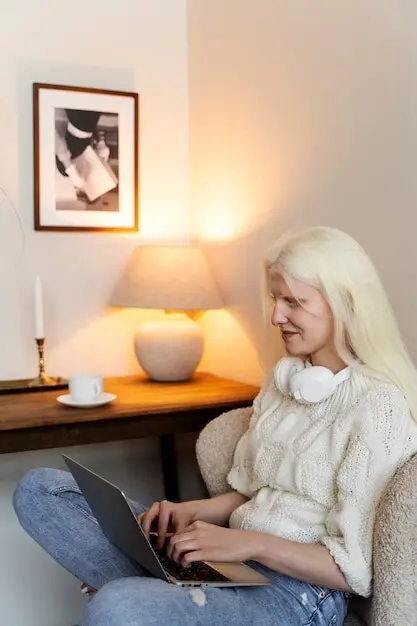
Mornings shape the emotional soundtrack for everything that follows. By inviting warm, low-intensity light, soothing colors that suggest spacious breath, and tactile comforts that ground the body, you can guide cortisol’s natural rise without panic. A ceramic mug’s weight, linen’s breeze, and sunrise tones calm nerves, protect attention, and teach your day to begin with clarity instead of urgency.

Midday Momentum: Bright Focus without Overstimulation

Midday is a tug-of-war between tasks and drifting attention. Lean into crisp, indirect daylight, balanced task lighting, and purposeful color accents that sharpen intent without spiking anxiety. Smooth textures on work surfaces reduce friction, while one energizing hue—used sparingly—signals priority. The result is productive steadiness that respects your brain’s need for clarity and recovery cycles.

Afternoon Lull Rescue: Recenter with Contrast and Motion
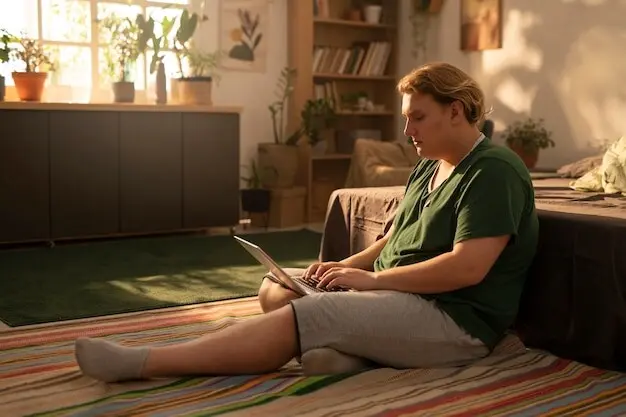
When energy droops mid-afternoon, introduce dynamic contrast and gentle motion. Shift light a touch cooler, open a path for a brisk two-minute walk, and add a tactile surprise your hands crave. Instead of fighting biology, borrow its rhythm—alternate focus and reset—so mood steadies through wobble, and productivity returns without forcing intensity that later rebounds as exhaustion.

Shift the Spectrum

Nudge light slightly cooler for thirty minutes using a tunable lamp or cooler bulb nearby, being mindful to avoid harsh glare. This mini change acts like a crisp breeze for attention. When you feel refocused, return to neutral light to prevent fatigue, honoring the gentle wave of energy rather than pretending you are a machine.

Touchable Resets

Keep a textured band, knit sleeve, or soft silicone grip near your workspace. During the lull, spend sixty seconds rubbing, stretching, or gently pulling the material to stimulate mechanoreceptors that downshift internal noise. Pair with a sip of cool water and a window glance, teaching your body that small, kind interruptions restore strength.

Micro-Zones of Contrast

Create a tiny pivot area within arm’s reach: darker mat beside a brighter desk, or a deep green chair next to a pale wall. Step or turn toward the contrast when fog arrives. That visual and spatial switch reframes context, signaling a chapter change, helping attention reassemble without blame or caffeine you will regret later.

Evening Unwind: Dimmer Paths, Cozy Palettes, Restful Weaves

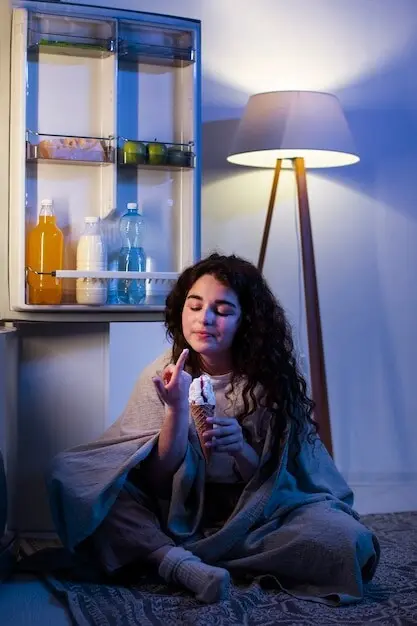
Evenings invite the nervous system to loosen its armor. Lower light toward 2200–2700K, emphasize amber pathways rather than bright overheads, and lean into plush textures that feel like a sigh. Muted palettes—ink, plum, clay—hold space for reflection. These signals protect melatonin, soften thinking, and prepare body and mind for sleep that actually restores tomorrow.

01

Light for Letting Go

Replace harsh ceiling light with lamps layered at hip or table height, using warm bulbs and shades that diffuse edges. Install a low amber night path from living space to bedroom. Dim screens or apply blue-light filters two hours before bed. Your eyes learn the ritual of descent, and with them, your thoughts finally unclench.

02

Color for Closure

Choose colors that signal enoughness: deep navy to contain busy narratives, rose clay to soothe self-critique, or mushroom gray to cradle quiet. Keep accents gentle, matte, and broad rather than glossy. As the palette hushes the room, it hushes inner commentary too, reminding you that rest is productive, permissioned, and beautifully ordinary.

03

Textures that Exhale

Add a knit throw with a loose weave, a velvet cushion, or a brushed cotton sheet your palms anticipate. Engage a slow stroking motion across the fabric for one minute while exhaling longer than you inhale. This anchors parasympathetic tone, helping your body trust that sleep will be safe, deep, and reliably kind.

Small Spaces, Big Feelings: Apartments, Desks, and Travel

Mood stability is portable when you think in kits, not rooms. Build compact light layers, pocketable color cues, and travel-friendly textures that set the emotional climate anywhere. A clip-on lamp, bandana palette, and folding wool scarf can shift a car seat, hostel bunk, or shared office corner into a sanctuary that respects your nervous system.

Evidence and Stories: Why This Works and How to Start Today

Light entrains circadian rhythm, color shapes attention and affect, and texture calms through sensory integration. The blend is simple neuroscience meeting everyday design. You do not need renovations—only repeatable cues. Borrow these practices, adapt one room or corner, and within days your baseline steadiness can feel less accidental and far more teachable.
Rinoloroxaripexi
Privacy Overview

This website uses cookies so that we can provide you with the best user experience possible. Cookie information is stored in your browser and performs functions such as recognising you when you return to our website and helping our team to understand which sections of the website you find most interesting and useful.