Breathe Easy: Spaces That Steady You Every Day

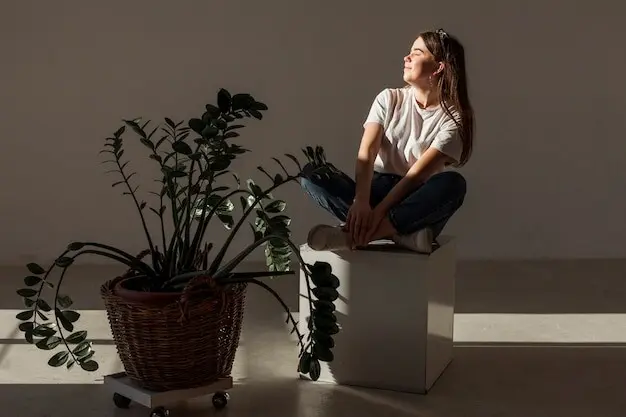
Today we dive into Calming Space Design for Everyday Resilience, exploring how small, thoughtful choices in light, layout, color, and ritual help your nervous system reset between life’s demands. Expect practical steps, science-backed insights, and warm stories from lived experience, all tailored for busy homes and work corners. Start right where you are, celebrate small wins, and build a place that gently returns you to center. Join the conversation, share your questions, and shape our next guides together.

Why Environments Shape How We Cope

Rooms quietly coach our bodies. Environmental psychology shows that views of nature, softer acoustics, and predictable order reduce perceived stress and restore attention after mental fatigue. When spaces lower cognitive load, everyday resilience rises: you decide better, recover faster, and feel safer. We will translate these findings into doable changes for rentals, dorms, and family homes.

Light That Lifts Without Overwhelm

Lighting shapes hormones, attention, and mood. Daylight calibrates circadian rhythms, while layered lamps guard against eyestrain and evening overstimulation. We will use reflective surfaces sparingly, favor warm temperatures after sunset, and position task lights to support posture, reducing fidgeting and micro-stress that steals energy from patience and creativity.

Color, Materials, and Texture That Soothe

Colors influence arousal and comfort levels throughout the day. Muted greens, earthy neutrals, and soft blues reduce visual noise, while carefully placed saturated accents guide motivation without agitation. Natural fibers such as linen, cotton, and wool regulate temperature and encourage touch. Low-VOC finishes and gentle, clean scents support clarity during demanding weeks.

A palette that breathes

Test paint on two walls and watch it across a full day. Choose a dominant calming hue, a supportive neutral, and one energizing accent used sparingly. Upholstery in textured weaves blurs minor stains, protecting the relaxed feel that helps you recover between obligations.

Touch invites slowing down

Keep a knitted throw, cork coaster, and unfinished wood tray within reach. Tactile contrasts ground racing thoughts, while rounded edges protect ease. These props whisper pause, inviting a breath before the next task so patience lasts longer with kids, clients, or commutes.

Nature inside without fuss

Choose hardy plants like snake plant, pothos, or ZZ to purify air modestly and offer gentle movement. A bowl of stones, beach glass, or pinecones provides seasonal texture. Even a nature print near a desk reduces fatigue, giving your mind somewhere kind to rest.

Layout, Zones, and Gentle Boundaries
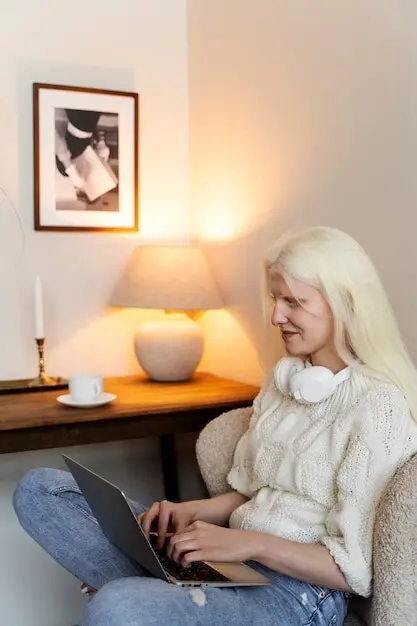
Flow matters. Define paths that avoid collisions, cluster essentials where actions occur, and dedicate small surfaces to single purposes. Visual boundaries—rugs, screens, shelves—quietly cue behaviors, reducing arguments. Flexible carts or folding screens adapt to guests or projects, preserving the daily anchors that keep everyone steady.

Taming sound without silence

Absolute quiet can feel eerie. Instead, layer consistent, low-level sound: a fan, soft rain track, or distant café murmur. Add curtains, felt pads, and wall art to break reverberation. You will notice fewer startle responses and smoother concentration through unpredictable city or family noise.

Clutter cycles that end

Create an outgoing basket and a weekly reminder to donate, recycle, or return. Keep surfaces ninety percent empty so arrivals have room. Label containers with verbs—Read, Mend, Return—to clarify next actions. Reduced ambiguity cuts procrastination spirals, releasing time you can spend recovering energy.

Scent as a cue, not a cloud

Choose airy notes like citrus, mint, or cedar, applied lightly on textiles or diffusers with timers. Fragrance should whisper a state change—focus, reset, or rest—without masking air quality issues. Ventilate regularly so freshness is earned, not sprayed, supporting clear thinking and kinder moods.

Tiny rituals that anchor you

Attach a breath and stretch to every doorway crossing. Name one object you appreciate before opening a laptop. End showers with thirty seconds of cooler water and a towel wrap. These repeatable beats restore agency, reminding your body it can regulate more than schedules.

Resilience diaries at home

Keep a tiny notebook in your calmest corner. Each evening, note one stressor you handled and one environmental tweak that helped. Over weeks, patterns appear, revealing your most influential levers. This practice validates progress and steers improvements without judgment, building confidence that survives rough days.

Share, subscribe, and shape together

Tell us what change made the biggest difference and what still feels hard. Post a photo of your corner, ask a question, or vote on our next experiment. When readers trade insights generously, everyone’s space becomes kinder, and resilience stops being lonely work.
Rinoloroxaripexi
Privacy Overview

This website uses cookies so that we can provide you with the best user experience possible. Cookie information is stored in your browser and performs functions such as recognising you when you return to our website and helping our team to understand which sections of the website you find most interesting and useful.